Water Repellent for Footwear: Shoes, Boots and Sneakers
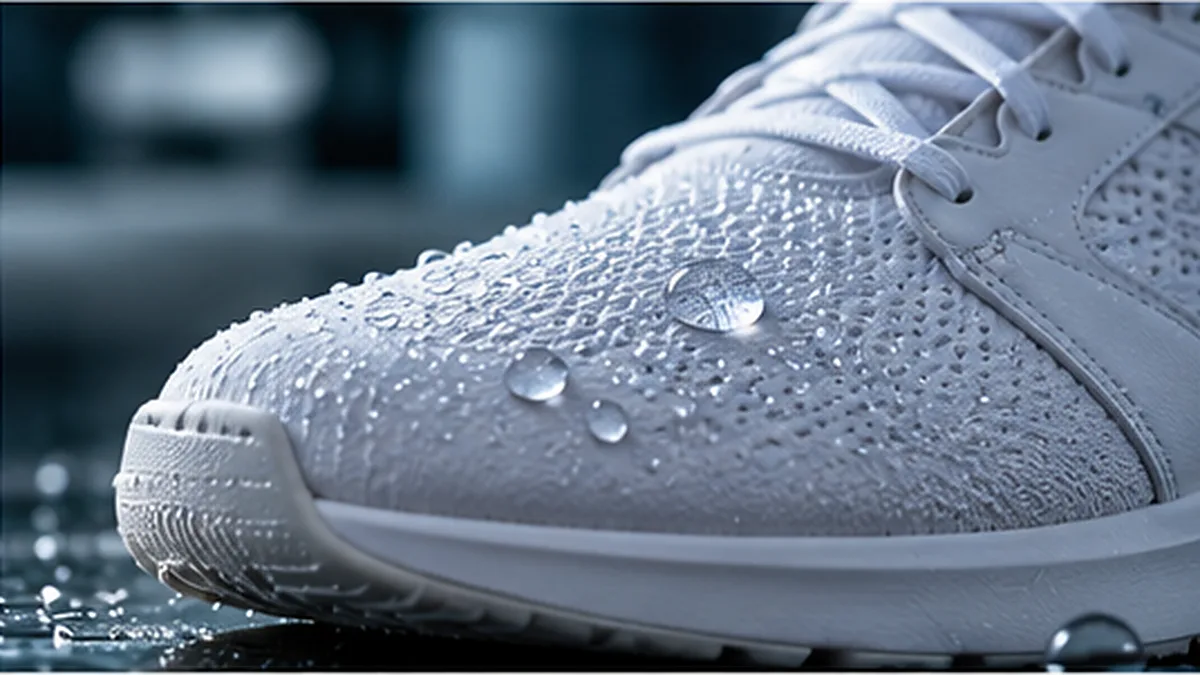
A water repellent for footwear has to handle more than rain: shoes meet water, mud and oily street grime, and they come in leather, textile and knit. So footwear finishes often need to shed oil and stains as well as water, and they are applied both at the factory and by consumers with a spray. This guide covers how to protect footwear and how to choose the chemistry.
For leather uppers specifically, see water repellent for leather.
What footwear needs
Shoes take a beating from water and staining, so a footwear finish usually aims for both water and oil/stain repellency, plus durability against flexing and abrasion — and it must keep the upper breathable so feet stay comfortable.
Leather, textile and knit uppers
Different uppers take different treatments: smooth leather and suede are sprayed or impregnated, while textile and knit uppers, common on sneakers, can be finished like fabric or sprayed. Suede and nubuck in particular rely on a spray-on repellent. See spray-on water repellents.
C6 or C0 for shoes?
Because footwear faces oily street soil, a C6 that repels both water and oil is common. Where a PFAS-free, water-only finish is acceptable, as on some textile sneakers, a fluorine-free C0 is used. See C6 vs C0.
Factory finish vs protector spray
Footwear can be protected at the factory during finishing, or by a consumer protector spray at home. Both have a place, and many brands sell both a treated shoe and a matching care spray.
Consumer protector sprays for footwear
A branded shoe-protector spray is a strong add-on product and a repeat purchase. If you want to launch one under your own brand, see our private label spray guide.
Get a footwear grade
DWR Factory supplies water and oil repellents for footwear — leather, textile and knit — as sprays and factory grades, with OEKO-TEX-compliant options and a TDS per grade. Tell us your upper and product: request a free sample or browse the range.
Frequently asked questions
What is the best water repellent for shoes?
Often a C6 that repels both water and oily street soil; textile sneakers can use a PFAS-free C0 where only water repellency is needed.
How do you make shoes water repellent?
By spraying or impregnating the upper and letting it dry; leather and suede are usually sprayed, textile uppers can be finished like fabric.
Can you spray sneakers to make them water repellent?
Yes. A protector spray applied evenly and left to air-dry beads water and stains; re-apply periodically.
Do footwear finishes keep shoes breathable?
A good repellent keeps the upper breathable while shedding water; it should not seal the shoe.
Is a shoe protector spray worth selling under my brand?
Yes — it is a strong add-on and a repeat purchase; a private-label protector spray is straightforward to launch.
Explore our water repellents
Need help choosing a water repellent?
Tell us your substrate, process and target. Our technical team will recommend a grade, send the datasheet, and arrange a free sample.