By Substrate
Practical guides on durable water repellents for textiles, footwear, leather and non-wovens.
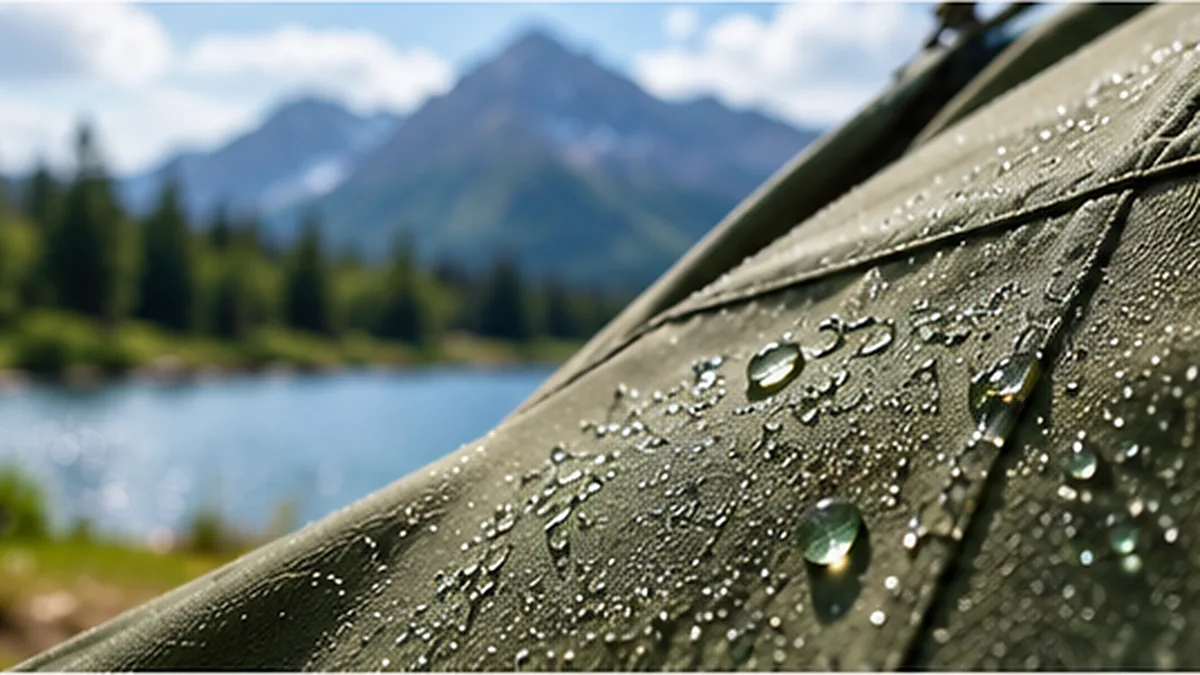
Water Repellent for Canvas: Tents, Awnings, Marine and Bags
A water repellent for canvas is about weather durability, not wash durability: canvas lives outdoors on tents, awnings, marine covers and bags, so its…
Read guide →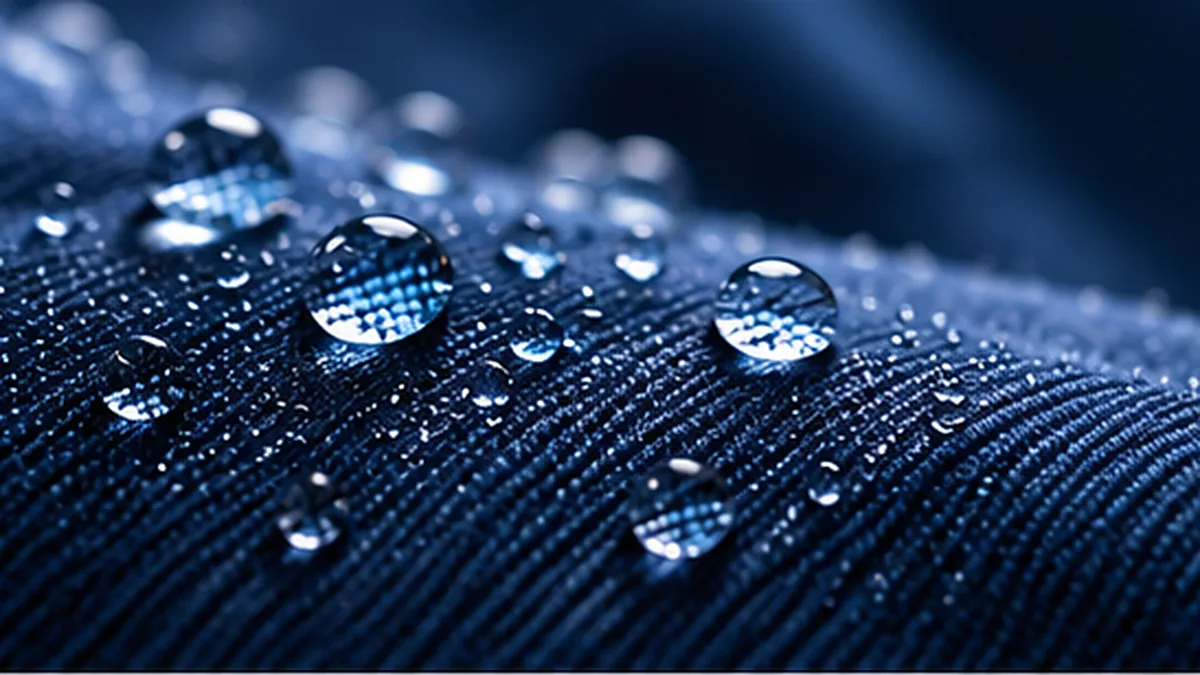
Water Repellent for Poly-Cotton Blends
A water repellent for poly-cotton has to satisfy two fibres at once: the polyester takes a finish easily, while the cotton half loves water…
Read guide →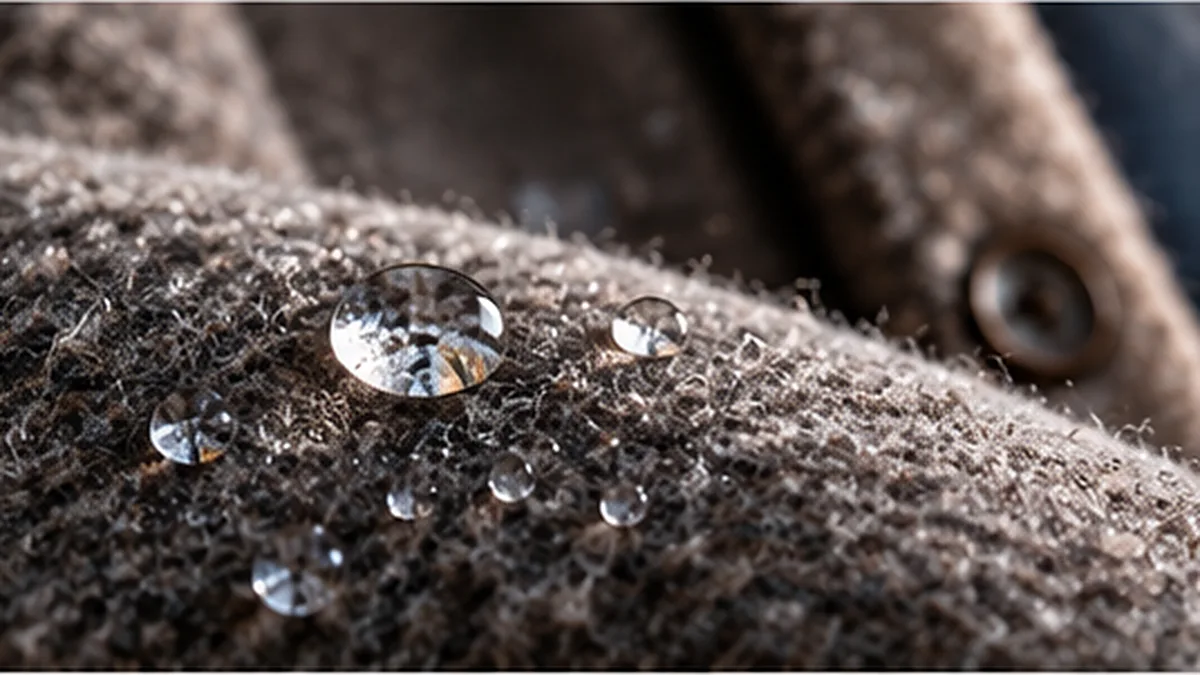
Water Repellent for Wool: Coats, Suiting and Knitwear
A water repellent for wool builds on a fibre that already sheds some water: wool’s natural structure and lanolin give it a degree of…
Read guide →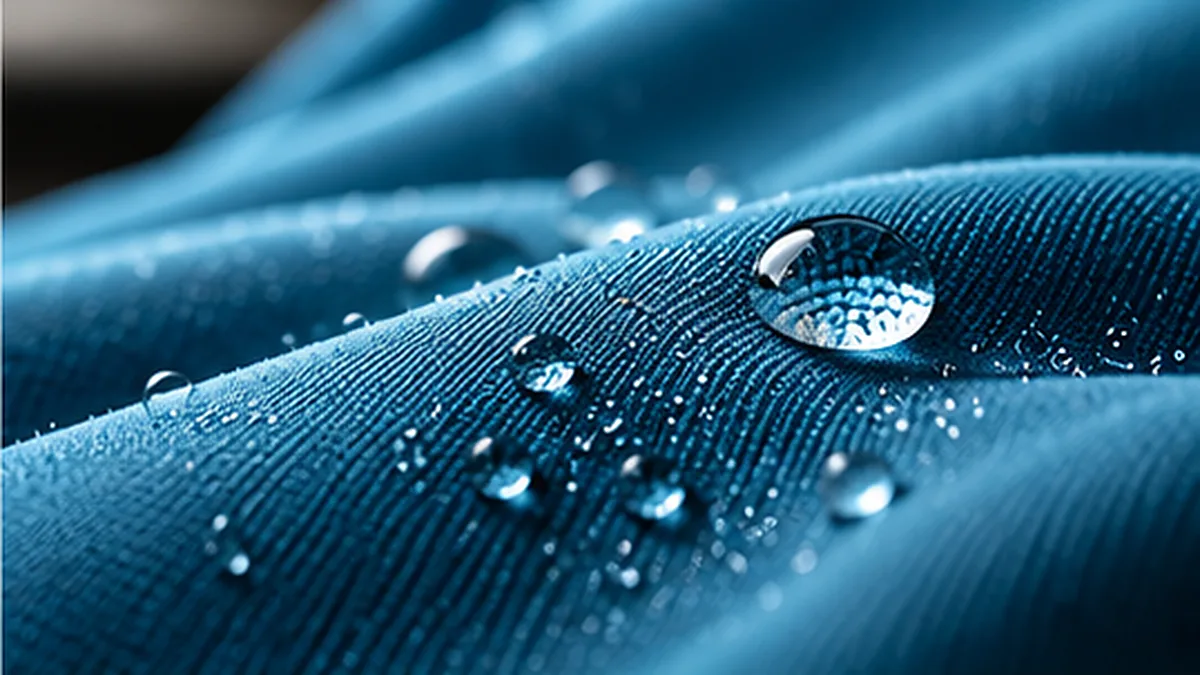
Water Repellent for Spandex and Elastane Blends
A water repellent for spandex, or elastane, comes with one non-negotiable rule: use a low-temperature cure. Spandex is the stretch fibre in activewear and…
Read guide →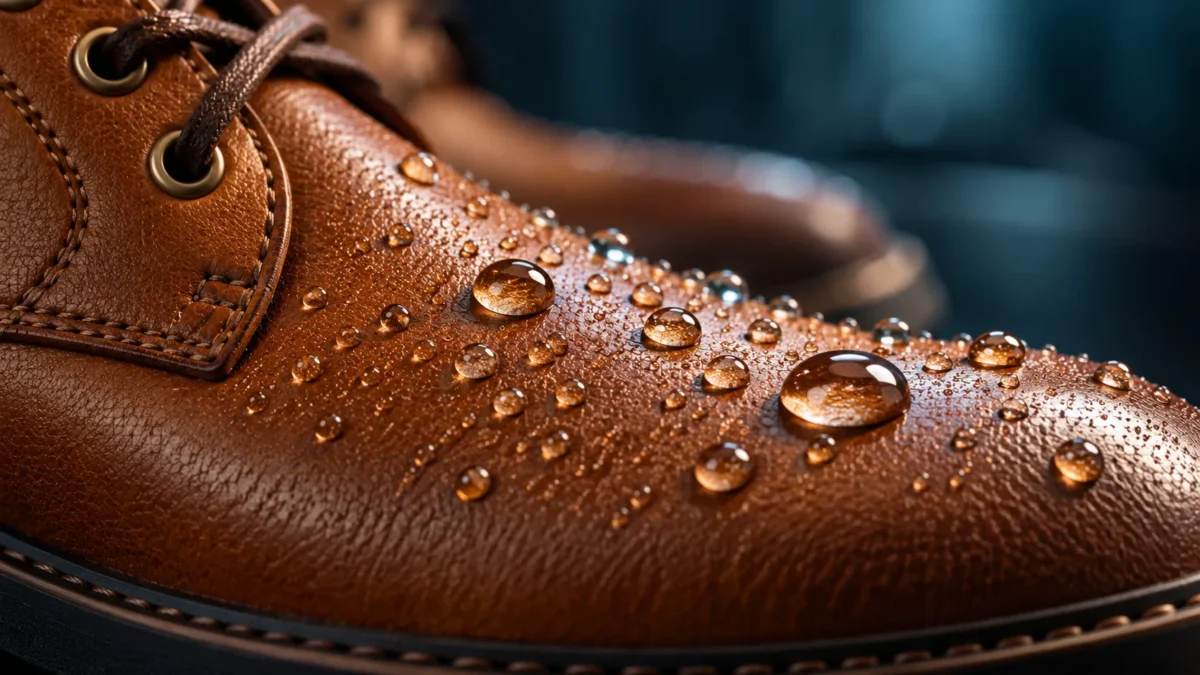
Water Repellent for Leather: Protecting Footwear, Bags and Upholstery
A water repellent for leather works differently from a textile finish, because leather is a porous natural material rather than a woven fabric. It…
Read guide →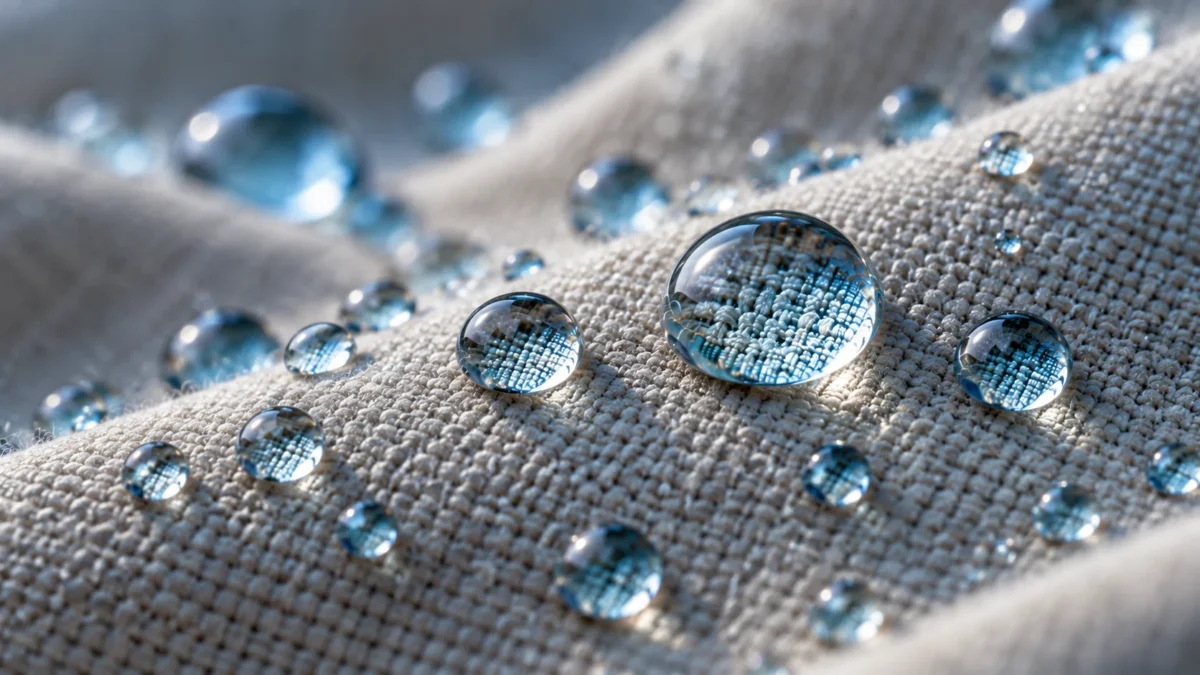
Water Repellent for Cotton: How to Make Cotton Repel Water
A water repellent for cotton is harder to get right than a finish for synthetics, because cotton loves water: it is a natural, absorbent…
Read guide →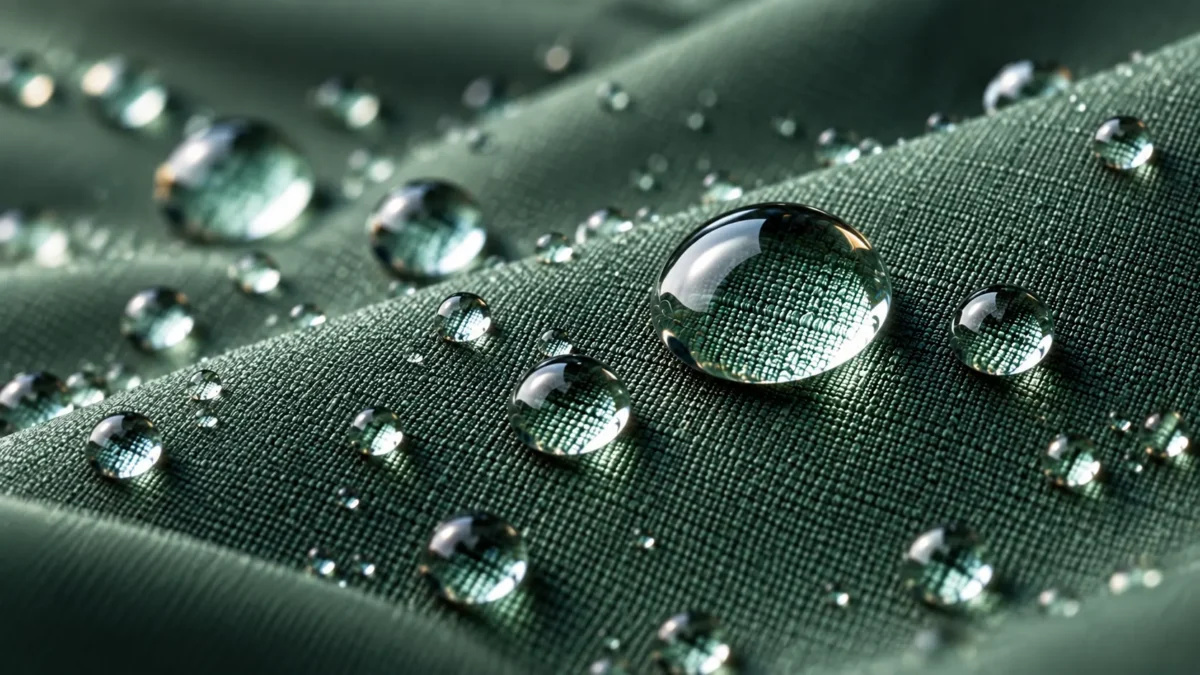
Water Repellent for Polyester: Choosing and Applying the Right Finish
A water repellent for polyester is one of the most common finishes in textiles, because polyester is the most widely used fibre and takes…
Read guide →
Water Repellent for Nylon: Choosing and Applying the Right Finish
A water repellent for nylon is one of the easier finishes to get right: nylon takes a durable water repellent well and holds a…
Read guide →