Water Repellent for Canvas: Tents, Awnings, Marine and Bags
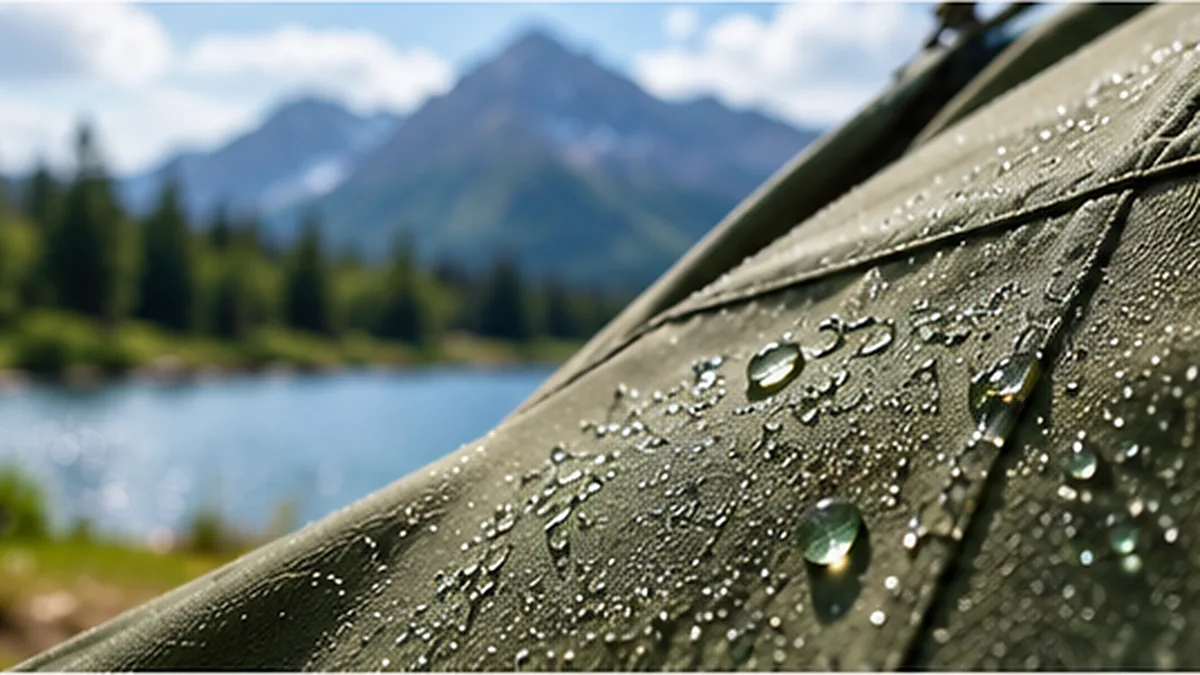
A water repellent for canvas is about weather durability, not wash durability: canvas lives outdoors on tents, awnings, marine covers and bags, so its finish has to survive sun, rain and years of exposure rather than the washing machine. Canvas is heavy plain-weave cotton — or cotton-poly and synthetic versions — and it takes a durable, breathable repellent well. This guide covers how to make canvas repel water.
Canvas is heavy cotton, so see also water repellent for cotton.
What canvas needs: weather durability
Unlike apparel, canvas is rarely washed — it is exposed. So the priority is a finish that resists UV, rain and mildew over long outdoor service. Heavy fabric also means a higher add-on to coat the thick yarns thoroughly.
Choosing a finish for canvas
Silicone and modified-polymer C0 grades give canvas durable, breathable water repellency and have largely replaced old paraffin-wax treatments, which were heavy and cracked. Where the fabric must also resist oily staining, a C6 is an option; see C6 vs C0.
Application
Canvas is usually finished by padding or by impregnation, then dried and cured — see how to apply a durable water repellent. Full, even coverage of the heavy weave is the key to consistent repellency.
Breathable canvas vs coated
A DWR keeps cotton canvas breathable, which is why traditional canvas tents stay comfortable inside. That is different from a full waterproof coating, which seals the fabric — see water repellent vs waterproof. Choose based on whether you need breathability or a full barrier.
Where canvas water repellents are used
- Tents and awnings.
- Marine covers and sails — see marine fabrics.
- Bags, tarps and workwear.
Get a canvas grade
DWR Factory supplies durable, weather-resistant water repellents for canvas, with OEKO-TEX-compliant options and a TDS per grade. Tell us your fabric and use and we will recommend one: request a free sample or browse the range.
Frequently asked questions
How do you make canvas water repellent?
By padding or impregnating it with a durable repellent, then drying and curing — aiming for full, even coverage of the heavy weave.
What is the best water repellent for canvas?
A silicone or modified-polymer C0 gives durable, breathable repellency; a C6 adds oil-stain resistance where needed.
Is canvas water repellent the same as waterproof?
No. A DWR keeps canvas breathable while beading water; a full waterproof coating seals it. Choose by whether you need breathability.
Does canvas repellency last outdoors?
A good finish resists UV, rain and mildew over long outdoor service, though heavy exposure eventually calls for re-treatment.
Can canvas tents and awnings be re-treated?
Yes. Canvas can be re-treated with a spray or brush-on repellent to restore beading after years of weather.
Explore our water repellents
Need help choosing a water repellent?
Tell us your substrate, process and target. Our technical team will recommend a grade, send the datasheet, and arrange a free sample.